How Preventative Maintenance Keeps Your Tank Trailer on the Road
When your tank trailer is on the road, it's doing exactly what it was built to do; keeping
your business moving and generating revenue. But when it's parked unexpectedly due
to a mechanical issue, every hour of downtime can mean missed deliveries, delayed
schedules, and costly repairs.
The good news? Many major trailer repairs don't happen overnight. They often begin as
small issues that, if caught early, can be repaired quickly and affordably.
Whether you operate a single trailer or manage an entire fleet, preventative
maintenance is one of the smartest investments you can make. Here's what every tank
trailer owner should be paying attention to.
1. Don't Ignore Your Braking System
Your trailer's braking system is one of its most important safety components and one of
the most heavily used.
Routine brake inspections can identify problems before they become dangerous or
expensive.
During inspections, check for:
- Worn brake pads or shoes
- Damaged rotors or drums
- Air leaks
- Slack adjuster issues
- ABS warning lights
- Uneven brake wear
Waiting until your brakes begin to fail can lead to additional damage, longer repair
times, and unnecessary downtime.
2. Tires Tell a Story
Your tires can reveal a lot about the overall health of your trailer.
Uneven tire wear may indicate suspension problems, alignment issues, or incorrect tire
pressure. Ignoring these warning signs can lead to blowouts, reduced fuel efficiency,
and costly tire replacements.
Regularly inspect:
- Tire pressure
- Tread depth
- Sidewall damage
- Uneven wear patterns
- Foreign objects or punctures
A few minutes spent checking your tires before hitting the road can prevent hours or
even days of downtime later.
Many of our new trailers can be equipped with the Tire Max Automatic Tire Inflation
System. Tire Max continuously monitors tire pressure and automatically maintains
proper inflation while you're on the road, helping reduce uneven tire wear, improve fuel
efficiency, minimize downtime, and extend tire life. It's a smart investment that helps
keep your trailer performing at its best
3. Keep Your Suspension and Axles in Check
Tank trailers endure thousands of miles carrying heavy loads, making the suspension
system one of the hardest-working components on the trailer.
Inspect regularly for:
- Worn bushings
- Air bag leaks
- Loose U-bolts
- Damaged suspension components
- Wheel bearing issues
- Signs of axle misalignment
Small suspension issues can quickly become major repairs if they're ignored, especially
when hauling heavy loads.
4. Electrical Problems Are Often Easy to Prevent
Lighting and electrical systems are easy to overlook until they cause a failed DOT
inspection or create safety concerns.
Take time to inspect:
- Brake lights
- Turn signals
- Marker lights
- Wiring harnesses
- Connectors
- Corrosion around electrical connections
Many electrical issues can be corrected before they become larger wiring repairs.
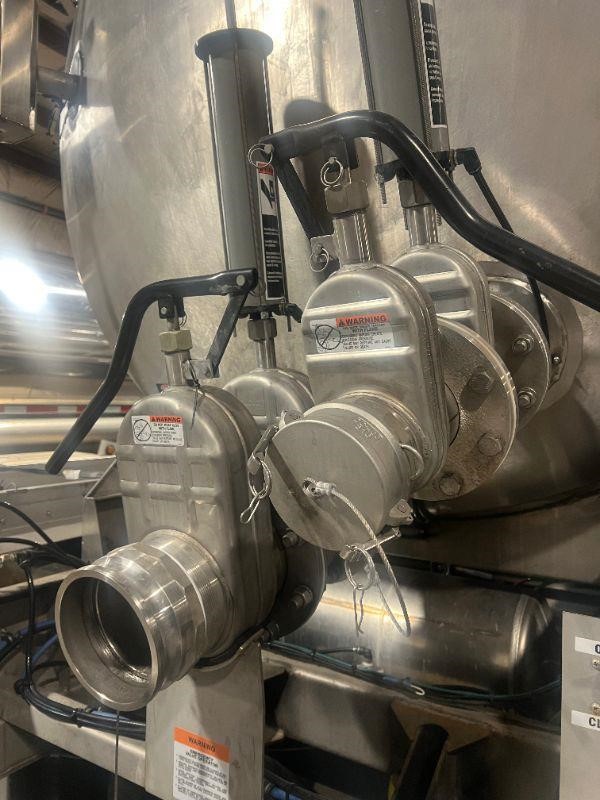
5. Inspect Hoses, Valves, and Fittings
For many tank trailers, hoses and valves are essential to daily operations.
Over time, seals wear out, fittings loosen, and hoses begin to crack.
Regular inspections should include:
- Product hoses
- Valve seals
- Gaskets
- Flanges
- Couplers
- Air and hydraulic lines
Finding a small leak during a scheduled inspection is far better than discovering it while
loading or unloading a customer.
6. Don't Forget Your Pumps and Blowers
If you operate vacuum or pneumatic trailers, your pump or blower is the heart of your
operation.
Routine servicing helps maximize performance and extend equipment life.
Watch for:
- Oil leaks
- Excessive vibration
- Unusual noises
- Reduced performance
- High operating temperatures
Addressing these issues early can help avoid unexpected breakdowns in the field.
7. Watch for Corrosion and Structural Damage
Tank trailers are built to last, but exposure to weather, chemicals, road salt, and daily
use can take its toll over time.
Inspect the trailer regularly for:
- Surface corrosion
- Frame cracks
- Loose mounting hardware
- Worn welds
- Damage around suspension mounting points
Minor structural repairs are typically much less expensive than major frame or tank
repairs caused by years of neglected maintenance.
8. Stay Ahead of Required Inspections
Routine inspections aren't just about meeting regulations; they're one of the best ways
to identify potential problems before they lead to expensive repairs.
Scheduling inspections on time can help:
- Improve safety
- Reduce unexpected breakdowns
- Extend trailer life
- Maintain compliance
- Protect your investment
A trailer that receives consistent preventative maintenance is generally more reliable,
experiences less downtime, and often retains more value over its lifetime.
Preventative Maintenance Saves More Than Money
It's easy to postpone a repair when your trailer seems to be operating normally. But
many of the most expensive breakdowns begin as small issues that could have been
corrected during a routine inspection.
Investing in preventative maintenance means:
- Fewer unexpected repairs
- Reduced downtime
- Lower long-term maintenance costs
- Improved safety
- Greater reliability on the road
- Longer equipment life
At the end of the day, preventative maintenance isn't just about fixing what's broken, it's
about protecting your investment and keeping your business moving.
Keep Your Trailer Working as Hard as You Do
Whether you're hauling vacuum, chemical, petroleum, sanitary, or dry bulk products,
routine maintenance plays a critical role in the performance and longevity of your
equipment.
If you're unsure whether your trailer is due for service or simply want a second opinion,
working with experienced tank trailer professionals can help identify small issues before
they become major problems.
A little maintenance today can prevent a lot of downtime tomorrow.

